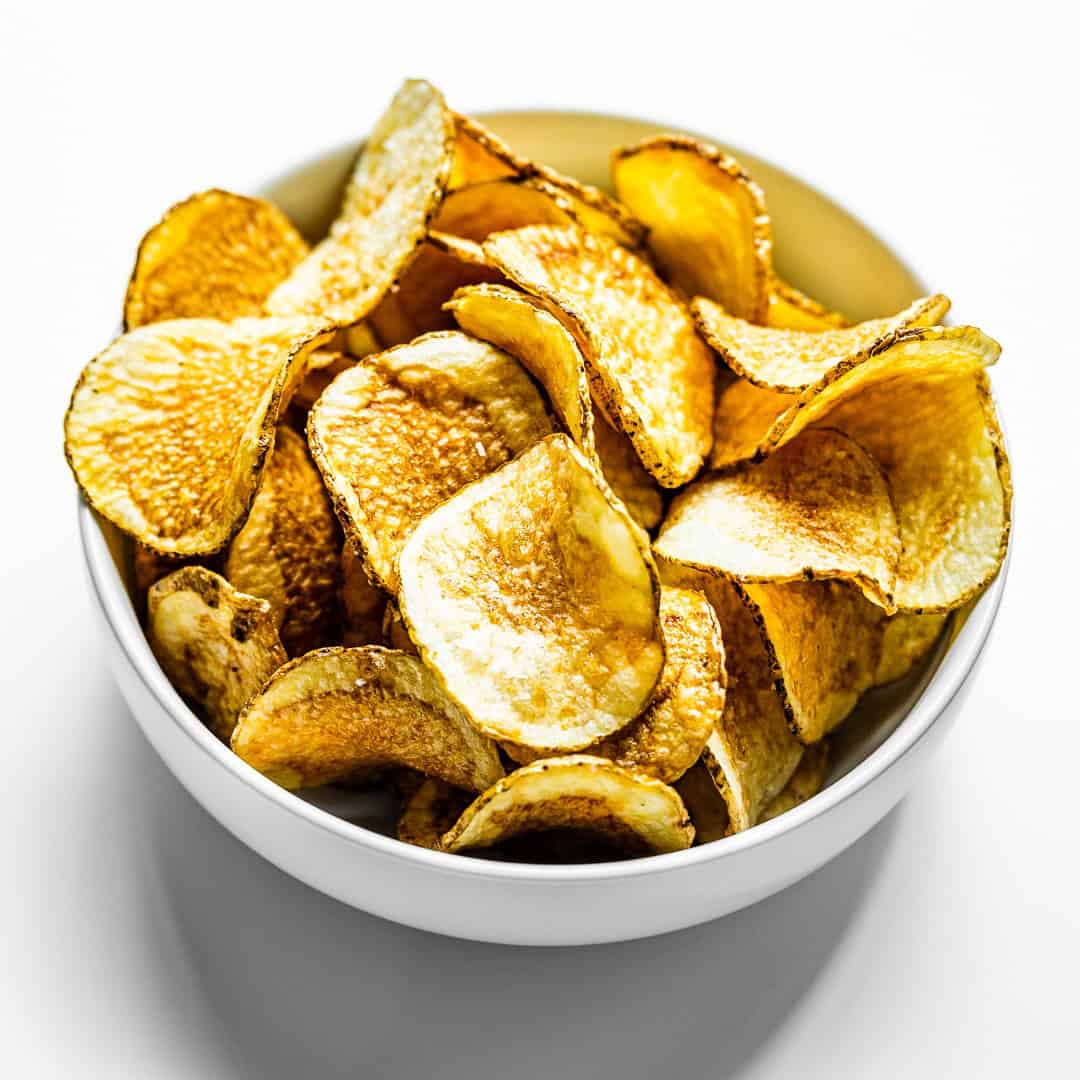
Fry Perfect Homemade Potato Chips: Crispier Than Store-Bought
There's something uniquely satisfying about a perfectly crispy potato chip. That irresistible crunch, the delicate potato flavor, and the way it melts in your mouth – it’s a snack sensation unlike any other. While store-bought bags offer convenience, they often fall short in delivering that truly exceptional experience. They can be greasy, overly processed, and lack the fresh, vibrant taste you crave. Imagine a potato chip so golden, so crunchy, and so full of natural potato goodness that you'll never look at a pre-packaged bag the same way again. That's the promise of homemade potato chips, and we're here to show you how to make them not just good, but
crispier than store-bought. Get ready to elevate your snacking game with this comprehensive guide to crafting the ultimate homemade potato chips.
The Secret to Unbeatable Crispiness: It's All in the Prep
The journey to perfect homemade potato chips begins long before they hit the hot oil. Meticulous preparation is the foundation upon which true crispiness is built, ensuring each chip emerges golden, delicate, and utterly irresistible.
Choosing Your Potato Powerhouse
Not all potatoes are created equal when it comes to chip-making. For optimal results, you'll want to select a starchy potato variety. Russet potatoes, also known as Idaho potatoes, are the undisputed champions here. Their high starch content and relatively low moisture make them ideal for frying, yielding that desirable light, airy, and super-crispy texture. Other good options include Yukon Gold or even certain red varieties, but avoid waxy potatoes like new potatoes or fingerlings, as their high moisture content can lead to soggy, less satisfying chips. Aim for firm, unblemished potatoes for the best outcome.
Mastering the Slice: Precision is Key
Perhaps the most critical step in achieving uniformly crispy homemade potato chips is consistent, thin slicing. Irregularly cut potatoes will cook unevenly – some will burn while others remain undercooked and limp. While a very sharp chef's knife can work with extreme care, a mandoline slicer is truly your best friend for this task.
A quality mandoline allows you to achieve paper-thin, uniform slices with ease and speed. Look for one with a dial gauge that lets you set specific thicknesses by millimeter. We recommend aiming for slices between 1.5mm and 3mm. Thinner slices (1.5mm-2mm) will result in more delicate, brittle chips, while slightly thicker ones (2.5mm-3mm) will offer a bit more chew, but still retain excellent crispiness. Consistency is paramount, as it ensures every chip in your batch cooks to the same golden perfection. Plus, a good mandoline is incredibly sharp, making the process safer and more efficient than struggling with a knife.
To Soak or Not to Soak? The Starch Debate Settled!
Many traditional homemade potato chip recipes emphatically stress the importance of soaking sliced potatoes in cold water – sometimes for hours – to remove excess starch. The theory is that this process prevents sticking, reduces browning, and promotes maximum crispiness. Some even suggest adding vinegar to the water for an extra crispy edge. However, after extensive testing, a surprising truth emerges: soaking isn't always necessary, and sometimes, it's an unnecessary complication.
If you’ve achieved those perfectly thin slices (3mm or less), a lengthy soak becomes redundant. Instead, a thorough rinse under cold running water is more than sufficient. Place your sliced potatoes in a large bowl and rinse them, changing the water multiple times, until the water runs clear. This quick process effectively removes enough surface starch to prevent clumping and ensure crispiness without the added time commitment. This simplifies the process significantly without compromising the end result. For an even deeper dive into this revelation, check out our guide on
Crispy Homemade Potato Chips: No Soaking Required!
The Crucial Drying Step
Whether you choose to soak or simply rinse, the drying step is absolutely non-negotiable. Any residual moisture on your potato slices will not only cause dangerous oil splatters but will also drastically impede crisping and lead to greasy, soggy chips.
After rinsing, thoroughly drain the potato slices in a colander. Then, spread them out in a single layer on clean kitchen towels or several layers of paper towels. Gently pat them completely dry. You can even roll them up in a clean towel like a burrito to absorb extra moisture. For larger batches, a salad spinner can be a helpful intermediate step before laying them out to pat dry. Ensure they are bone-dry before proceeding to the frying stage – this cannot be overstated.
Frying Fundamentals: Achieving Golden Perfection
With your potatoes perfectly prepped, it's time to transform them into golden, crispy wonders. Frying might seem intimidating, but with the right oil, temperature control, and technique, you'll be frying like a pro in no time.
Selecting the Best Oil for Frying
The type of oil you use plays a significant role in the flavor and texture of your homemade potato chips. For deep frying, you need an oil with a high smoke point and a neutral flavor profile. Vegetable oil (such as canola or soybean oil), peanut oil, and sunflower oil are excellent choices. They can withstand the high temperatures required for frying without breaking down or imparting undesirable flavors to your chips. Olive oil, on the other hand, has a lower smoke point and a distinctive flavor, making it unsuitable for deep frying chips.
Maintain your deep fryer (or a heavy-bottomed pot like a Dutch oven) with fresh oil. You can often reuse frying oil multiple times, but monitor its quality. Replace the oil when it looks dark and murky, smells burnt or rancid, or begins to foam excessively. Fresh oil means fresher-tasting chips.
Temperature Control: The Golden Rule
Frying temperature is perhaps the most critical variable in achieving perfectly crispy, non-greasy chips. Aim for an oil temperature between 300°F (150°C) and 365°F (185°C). A deep-fry thermometer is an indispensable tool here.
*
Oil too cold: If the oil temperature drops too low, the chips will absorb too much oil, resulting in a greasy, soggy product. They won't crisp up properly.
*
Oil too hot: If the oil is too hot, the chips will brown too quickly on the outside, potentially burning, while remaining soft or undercooked on the inside.
Maintaining a consistent temperature is key. As you add potatoes, the oil temperature will drop. Adjust your heat accordingly, allowing the oil to return to the desired range before adding the next batch.
The Frying Process: Watch and Learn
Once your oil is at the correct temperature, it’s time to fry. Work in small batches, adding only enough potato slices to form a single layer without overcrowding the pot. Overcrowding will drastically lower the oil temperature and lead to soggy chips.
Carefully drop the dried potato slices into the hot oil. They will immediately begin to bubble vigorously. Stir them gently with a spider or slotted spoon to prevent sticking and ensure even cooking. As they cook, the bubbles will subside, and the chips will start to turn a light golden color, becoming stiffer and more rigid. This process usually takes 3-7 minutes per batch, depending on thickness and oil temperature.
Keep a close eye on them; they can go from perfectly golden to burnt in a matter of seconds. When they are a beautiful golden brown and feel firm when lifted, remove them from the oil with a slotted spoon or spider. Transfer them immediately to a wire rack placed over a baking sheet lined with paper towels to drain excess oil.
Seasoning Your Masterpiece: Beyond Just Salt
The moment your homemade potato chips emerge from the fryer, hot and glistening, is the perfect time to season them. The warmth of the chips allows the seasoning to adhere beautifully, creating an even, flavorful coating.
Classic Salted Perfection
For many, the simple elegance of a perfectly salted chip is unmatched. As soon as the chips are out of the oil and draining, sprinkle them generously with fine-grain sea salt. The fine granules will stick better and distribute more evenly than coarse salt. Toss them gently to ensure every chip gets its fair share.
Adventure in Flavor: Creative Seasoning Ideas
One of the greatest joys of making homemade potato chips is the freedom to customize the seasoning. Unleash your culinary creativity! Here are a few ideas to get you started:
*
Sour Cream & Onion: Mix onion powder, garlic powder, and a touch of dried dill.
*
Smoky Paprika: A generous dusting of smoked paprika, perhaps with a pinch of cayenne for a kick.
*
Cheddar Cheese: Use a good quality powdered cheddar cheese seasoning (available online or in specialty spice stores).
*
Rosemary Garlic: Finely chop fresh rosemary and minced garlic, then mix with salt. Toss immediately after frying.
*
Spicy Chili Lime: Chili powder, cumin, a pinch of sugar, and a squeeze of fresh lime juice (applied after cooling slightly).
*
BBQ: A blend of paprika, brown sugar, garlic powder, onion powder, and a hint of mustard powder.
Experiment with your favorite spice blends to create a unique chip that perfectly suits your palate. The possibilities are endless!
Serving & Enjoying Your Homemade Creation
Once seasoned, your homemade potato chips are ready to be devoured. The best way to enjoy them is fresh, while they are still warm and at their peak crispiness.
Perfect Pairings and Occasions
Homemade potato chips are incredibly versatile and make a fantastic accompaniment to a variety of meals and occasions. They are a stellar side for classic comfort foods like juicy hamburgers, gourmet hot dogs, or hearty sandwiches such as a French dip or a tuna melt. For a casual movie night, a big bowl of these crispy delights will undoubtedly be the star snack. They're also perfect for picnics, potlucks, or simply as a satisfying, preservative-free snack any time hunger strikes. Serve them with your favorite dips – from creamy onion dip to spicy salsa – for an even more elevated experience.
There's truly no comparison to the fresh, customizable, and unbelievably crispy taste of homemade potato chips. Once you've experienced the superior texture and flavor, those store-bought bags will quickly lose their appeal. With a little practice, these chips will become your go-to snack, delighting friends and family alike. For a comprehensive look at all the steps from slicing to the perfect fry, be sure to explore
Your Guide to Homemade Potato Chips: Slicing, Frying, & No Soak. So grab your potatoes, fire up that fryer, and prepare to embark on a delicious journey to chip perfection!